By: Ni Made Tirta Baira Pusparini
During my participation in the Summer School program at Nanjing University of the Arts, China, from October to December 2025, I underwent a new learning and adaptation process that not only focused on improving my academic abilities but also on learning about a new culture, namely Chinese culture.
From the beginning of the program, I have been committed to maintaining discipline and responsibility as a scholarship recipient student. This is reflected in my consistency in attending every class on time, complying with campus regulations, and maintaining a polite attitude and respect for all academic community members, from lecturers, classmates, to campus staff. I also strive to build harmonious relationships with the surrounding environment as part of the adaptation process in a new country.
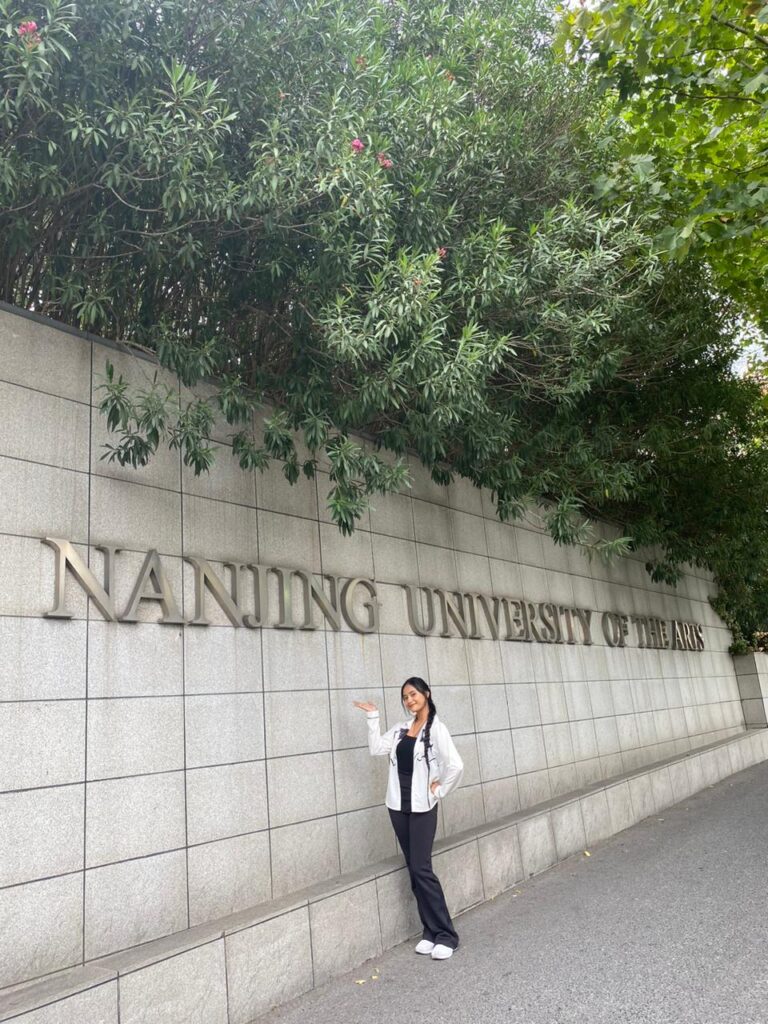
In an academic aspect, my Mandarin language learning development has progressed gradually yet significantly. In the first month, I learned the basics of Mandarin up to around lesson 9. I also consistently participated in another extracurricular class, traditional Chinese painting, which introduced iconic subjects such as orchids, crabs, shrimp, and China's national flower. This process not only trained technical skills but also introduced the aesthetic values of Chinese culture.
Entering the next month, my language skills have improved with the completion of HSK 1 material and I'm nearly done with HSK 2. I've started to understand various important sentence patterns, such as the usage of “比” and “得,” as well as the use of measure words and adjectives. I also took a midterm exam focusing specifically on listening comprehension. To support my learning, I've adopted a self-study routine by reviewing material every night, completing assignments on time, and utilizing the library facilities as a study space.
In the last month, these developments became more apparent with my successful completion of HSK Level 2 and my beginning to delve into HSK Level 3 material. I am now able to use more complex sentence structures and apply them in daily communication, both spoken and written. Although I faced challenges understanding the lecturer's explanations due to their strong accent and rapid speech, I overcame them by actively asking questions after class, discussing with friends, and practicing my speaking skills through direct interaction with members of the campus community, such as security guards and canteen vendors.
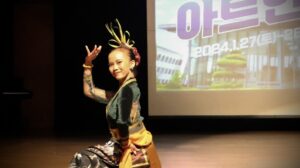
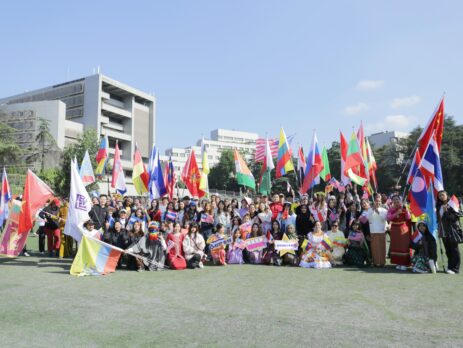
Besides academic activities, I also actively participate in various non-academic activities that enrich my cultural and social experience. In October, I participated in sports festival by attending the opening parade and fashion show wearing traditional Indonesian attire. I also showed my support for friends who were competing. At that time, I also helped manage and promote the sales tenants. Merchandise with a nuance of Indonesian culture.
In the following months, my involvement grew further through participation in various workshops and cultural activities, such as Character Art Workshop, Tie-Dye Craft Workshop, and a visit to the Nanjing World Literature Hall and a Chinese intangible cultural heritage art workshop. I also attended various performances such as theater, music concerts, and art and society-themed debate competitions. Through these activities, I not only gained new experiences but also expanded my Mandarin vocabulary in real-life contexts and gained a deeper understanding of the local culture.
One of the most memorable experiences was visiting the Exhibition of the Nanjing Massacre, which provided historical insight and a deeper understanding of China's history and collective memory. This activity became an important reflection in understanding the value of humanity and global history.
Although I haven't had the opportunity to participate in volunteer activities or competitions during my program, I remain enthusiastic and ready to get involved should suitable opportunities arise in the future. This attitude reflects my openness to new experiences and my desire for continuous growth, both academically and non-academically.
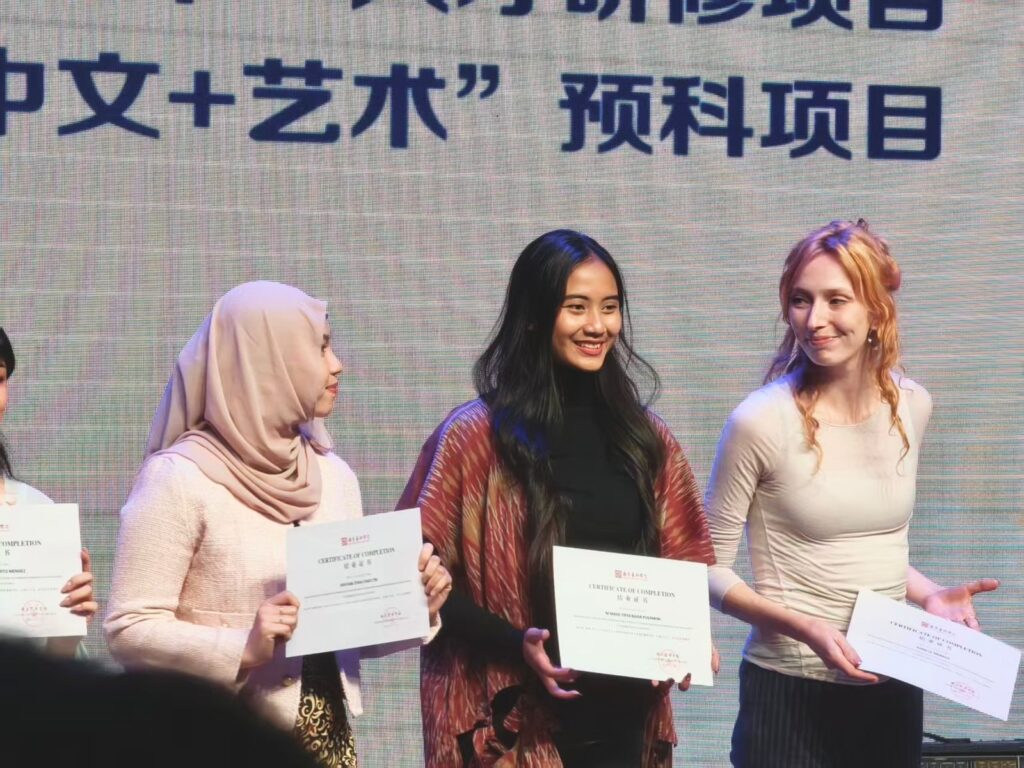
Overall, this Summer School program has had a very positive impact on my personal development. It not only improved my Mandarin language skills but also fostered discipline, broadened my cultural horizons, and enhanced my ability to adapt and build international relationships. This experience has become a valuable asset for me as I continue my academic journey in the future.